

How to Style Your Open Edit Blazer, Wide-Leg Pants, and Kitten Heels for Any Occasion
Building a wardrobe that works across occasions starts with pieces you can style multiple ways. Open Edit designs every item—from our relaxed blazers to linen-blend trousers—to anchor different looks without requiring an entire closet refresh.
Knowing how to edit your existing wardrobe around a few foundational pieces saves time, money, and decision fatigue. This guide walks through styling strategies we use in our own fitting rooms, showing you how to mix textures, balance proportions, and layer Open Edit staples for work, weekend, and everything in between.
Start With a Relaxed Blazer as Your Anchor Piece
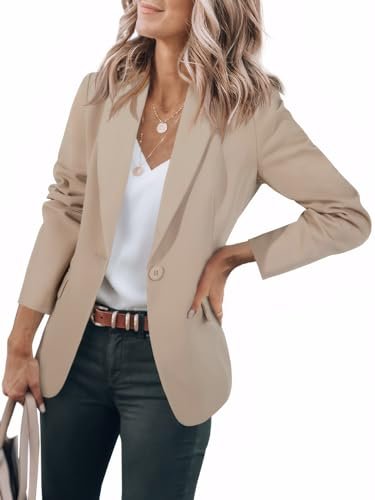
A well-cut blazer becomes the spine of a capsule wardrobe when it fits your actual shoulders and lifestyle. Our Icon Relaxed Blazer uses unstructured tailoring so it layers over knits without pulling, and the slightly dropped shoulder reads polished without feeling stiff.
Pair it with a silk camisole and denim for weekend errands, or wear it over a turtleneck and trousers when you need boardroom credibility. The fabric doesn’t wrinkle in a tote bag, which matters more than any styling trick when you’re layering on and off through a day of meetings and transit.
Texture Contrast Elevates Simple Outfits
When every piece in an outfit shares the same finish—smooth poplin shirt, smooth wool trousers, smooth leather loafers—the look flattens. Introduce one textured element and the whole outfit gains depth.
Try pairing your blazer with a chunky-knit sweater instead of a button-down, or swap smooth leather accessories for suede. Even changing your denim from a slick dark rinse to a softer, broken-in wash adds visual interest without requiring new purchases.
Wide-Leg Pants Balance Proportions Across Body Types
Wide-leg silhouettes lengthen your frame when the hem skims the top of your shoe, but they shorten you when the inseam pools on the ground. Our sizing guide includes inseam measurements for every pant style so you can order the right length before hemming.
Pair linen-blend wide-leg pants with a fitted knit or cropped tank to keep the overall silhouette balanced—if both top and bottom are voluminous, the outfit reads as shapeless rather than intentionally relaxed. A half-tuck or front-tuck also defines your waistline without requiring a belt.
Shoes Change the Formality, Not the Pant
The same pair of wide-leg trousers works for a client lunch and a farmers market depending on what you put on your feet. Sneakers make the outfit casual and approachable; kitten-heel sandals add just enough elevation to read as dressed-up without the instability of a stiletto.
Avoid ankle straps with wide hems—they visually chop your leg in half. A simple slide, mule, or low sandal keeps the line unbroken from hip to floor, which is what makes the silhouette flattering in the first place.
Layer for Transition Seasons Without Adding Bulk
Spring and fall require clothing that works at 55°F in the morning and 72°F by afternoon. Lightweight layers let you adjust without carrying a separate wardrobe in your bag.
A linen-blend shell under a relaxed blazer gives you two temperature options in one outfit—remove the blazer when you’re indoors, add it back when you step outside. Choose natural fibers like linen, cotton, and wool blends over synthetics; they regulate temperature better and don’t trap odor when you’re layering multiple pieces.
Monochrome Palettes Simplify Mixing
Sticking to one color family—cream, taupe, and camel, or navy, charcoal, and black—means nearly every piece in your closet works with every other piece. You can dress in dim morning light and still walk out the door in a cohesive outfit.
Add visual interest through texture and silhouette instead of color. A tonal outfit in three different fabrics—say, a cotton tee, wool trousers, and a leather belt—has more dimension than a rainbow of smooth jersey separates.
Accessories Define the Occasion More Than the Clothes Do
The same blazer-and-trousers combination reads differently depending on whether you carry a structured tote or a canvas crossbody. Swap delicate gold hoops for statement earrings and the outfit shifts from office-appropriate to dinner-ready.
Keep a small pouch of interchangeable accessories—extra earrings, a silk scarf, a leather belt, a few bangles—in your work bag or car. You can transform a neutral outfit between appointments without planning ahead, which is how real people actually get dressed when schedules are unpredictable.
According to research on capsule wardrobes, limiting your clothing inventory to versatile, high-quality pieces reduces decision fatigue and increases the percentage of items you actually wear. That principle extends to accessories—own fewer pieces that work across contexts rather than single-use statement items that sit unworn.
Building Outfits You’ll Actually Wear
Styling Open Edit pieces isn’t about following rigid formulas—it’s about understanding how a few well-chosen items multiply your options without requiring constant shopping. A relaxed blazer, a pair of trousers that fit correctly, and shoes that transition across contexts give you a foundation that works whether you’re presenting to clients or meeting friends for lunch.
The real test of versatile clothing is whether you reach for it multiple times a week in genuinely different ways. If you’re rotating the same three outfits because those are the only combinations that feel right, your wardrobe isn’t actually versatile—it’s just small. Start with fit, prioritize natural fabrics, and add pieces slowly as you identify real gaps rather than imagined ones.
Notes
Start with three foundational items: a blazer, a pair of trousers, and a transitional shoe. These anchor dozens of outfits when you rotate through tops, knits, and accessories you already own.
Once those three pieces feel integrated into your routine, add a second bottom or a structured dress. Building slowly lets you identify actual gaps in your wardrobe instead of buying aspirationally.
Our relaxed tailoring is designed to dress down easily. Pair a blazer with straight-leg or wide-leg denim, a simple tee, and sneakers or loafers for a polished-casual look that works for coffee meetings or weekend plans.
Avoid distressed denim or overly embellished jeans—clean, dark washes balance the blazer’s structure without clashing.
Wide-leg styles work across heights when the inseam is correct. Petite frames need a hem that just grazes the floor in heels or falls at the ankle bone in flats; taller frames can handle a longer inseam that pools slightly.
The key is unbroken vertical line from waist to hem. If you’re unsure how to edit the fit for your proportions, start with a mid-rise style and avoid cropped wide-legs, which can shorten your leg line.
Kitten heels typically measure 1.5 to 2 inches, offering slight elevation without the forward tilt or instability of a three-inch stiletto. They’re stable enough for all-day wear and commuting but still read as dressier than flats.
This height works well with both cropped and full-length trousers, and the lower pitch puts less strain on your Achilles tendon during long days.
Most linen blends tolerate machine washing on a gentle cycle with cold water. Always check the garment’s care label first—some blends include rayon or modal that may require hand washing.
Line-dry or tumble on low heat to prevent excessive wrinkling. Linen naturally relaxes and softens with each wash, so slight creasing is expected and part of the fabric’s character.
Neutral doesn’t mean monotone. Mix cream, taupe, camel, and ivory in one outfit, or layer charcoal, black, and slate gray together. Varying the tones within a neutral palette creates subtle contrast.
Add texture through knits, linen, suede, or leather. A tonal outfit in three different fabrics has more visual interest than a colorful outfit in identical smooth jersey separates.